
Aortic Dissection (Aortic Tear)
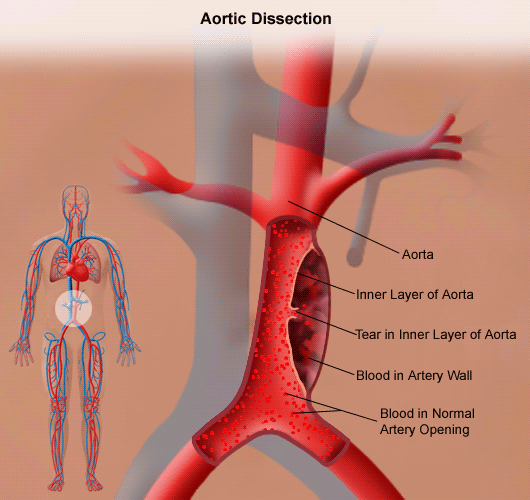
An aortic dissection begins as a tear in the aortic wall, so the main artery (aorta) in the body is split into two channels. If not treated immediately, the tear can continue to worsen, ripping the outer wall of the aorta and allowing blood to escape the artery.
The loss of blood flow caused by an aortic dissection can reduce the oxygen delivered to vital organs like the brain, kidneys and heart, which can be life-threatening. If you or someone you know has an aortic dissection, getting prompt, specialized care can help lower these risks.
Request an Appointment with an Aortic Dissection Specialist
Nationally Recognized Expertise at the University of Chicago Medicine Center for Aortic Diseases (UCCAD)
Our cardiac and vascular experts at the UChicago Medicine Center for Aortic Diseases offer advanced options to repair even the most complex tears. Our expertise in treating all types of aortic dissections is one reason we’re ranked among the best heart and vascular programs in the nation, according to U.S. News and World Report.
Types of Aortic Dissection
Type A Aortic Dissection
Type A dissections begin in the ascending aorta (where the aorta exits the heart) and require emergency care. Without timely treatment, type A tears can cause serious problems like:
- Heart attacks
- Backward blood flow into the heart
- Internal bleeding
- Death
How We Treat Type A Aortic Dissections
At UChicago Medicine, heart surgeons specialize in treating Type A dissections, which require immediate open heart surgery. [LH4] Our team will make an incision on your chest near the tear. Then, we will remove the torn section of the aorta and replace it with a fabric tube, otherwise known as a graft. After surgery, you’ll recover in the hospital for up to a week.
If your dissection is large or complex, we may follow open heart surgery with minimally invasive endovascular surgery, either during the same hospital stay or in a second stage of treatment. In an endovascular procedure, a physician will insert a small, thin tube through a blood vessel in your groin and move it up into your torn aorta. Then, they will insert a fabric tube into the aorta to strengthen it.
After surgery, our team will continue to combine our expertise to manage your follow-up care, so you can lower your risk of another dissection in the future. We’ll closely monitor your aorta with ultrasounds and CT scans to check for any early signs of tears. We will likely recommend medications that lower blood pressure and slow your heart rate. Our team can also support you with lifestyle modifications (like not smoking) to lower your risks.
Type B Aortic Dissection
Type B aortic dissections occur in the descending thoracic aorta, which is the longest part of the aorta that extends into your lower abdomen. Although Type B dissections still require immediate care, they are treated differently than Type A tears.How We Treat Type B Aortic Dissections
Some of the steps we typically use to treat your tear include:
- Prescribing medications that lower your blood pressure
- Supporting you with lifestyle changes to reduce your risks, such as smoking cessation
- Repairing your tear with minimally invasive surgery, if needed. At UChicago Medicine, our expert vascular surgeons can use endovascular techniques to repair the damaged blood vessels in type B dissections. A physician will use insert a small, thin tube through a blood vessel in your groin into your torn aorta. Then, they will insert a fabric tube into the aorta to repair the tear.
- Monitoring your aorta with routine imaging tests and team-based follow-up care
At UChicago Medicine, our specialists see a high volume of type B dissections and know which types of tears benefit from minimally invasive repair versus those that can be managed with medication and lifestyle alone. If you have been diagnosed with a type B dissection and would like a second opinion, we’re here to help.
Understand Your Risk Factors for Aortic Dissection
Even though some people may have symptoms, such as constant chest pain and/or upper back pain, as many as 40 percent of those who suffer from an aortic dissection die almost instantly.
The best defense against aortic dissection is knowing what risk factors are common with this condition and taking active steps to reduce your risks.
Risk factors include:
- High blood pressure: Uncontrolled blood pressure puts you at the most risk of a dissection
- Age: Older than 60
- Connective tissue diseases: Being born with a congenital disorder such as Marfan syndrome, Ehlers-Danlos syndrome and other collagen vascular diseases
- Existing aortic aneurysm: Untreated bulges in the wall of your aorta increase the likelihood of a dissection
- Chest trauma: Traumatic chest injuries can weaken the aorta wall
- Polycystic kidney diseases (PKD): Having PKD creates a higher risk of heart and aorta damage
At the Center for Aortic Diseases, we offer expert guidance to help you manage your risks of an aortic tear. Your care team includes highly experienced specialists, such as:
- Cardiologists, who oversee your heart and blood vessel care and can recommend strategies to reduce blood pressure
- Congenital heart disease experts, who are cardiologists and other specialists who care for those with heart defects or connective tissue diseases that raise the risk of aortic dissections
- Cardiac surgeons, who specialize in open heart surgery for the most complex aortic dissections
- Vascular surgeons, who can provide minimally invasive options to repair aortic tears
- Nephrologists, who manage chronic kidney diseases that can put stress on the aorta
Together, we will develop a personalized plan to help reduce your risks.
Aortic Dissection FAQ
Why do aortic dissections occur?
Aortic dissections happen when the wall of the aorta weakens over time. The most common cause for this weakening is uncontrolled high blood pressure. Sometimes, car accidents or other types of severe trauma can lead to an aortic tear. Being middle-aged and having certain diseases, such as chronic kidney disease, can also raise your risk.
I check my blood pressure at home. Can I use my blood pressure as a warning sign that I’m at risk for an aortic dissection?
Yes, it’s always a good idea to check your blood pressure in both arms. Having a difference of 10 points or more in your systolic blood pressure (top number of your blood pressure reading) between arms could mean you have an aortic tear. Get emergency help right away.
Will I need open heart surgery for an aortic dissection?
We recommend immediate open heart surgery for type A dissections. Open heart surgery is usually not required for type B tears, which can be repaired with minimally invasive techniques.
Each patient’s aorta has a unique size and shape, and because we offer a comprehensive range of treatment options for dissections, we can customize our care to you specifically. With advanced research, techniques and medical devices, we design treatments focused on your anatomy, as well as the severity and location of your dissection.
NEXUS Aortic Arch Clinical Trial
Our NEXUS Aortic Arch Clinical Study is investigating the safety and effectiveness of the NEXUS aortic arch stent graft system treatment option.
Learn more about this clinical trial.
Nationally Ranked in Cardiology, Heart Surgery and Vascular Surgery
According to U.S. News & World Report's 2026-2027 Rankings
High Performing in Aortic Valve Surgery
According to U.S. News & World Report's 2026-27 Rankings
Nationally Ranked in Cardiology, Heart Surgery and Vascular Surgery

Find an Aortic Disease Specialist Near You
Request an Appointment
We are currently experiencing a high volume of inquiries, leading to delayed response times. For faster assistance, please call 1-773-702-6128 to schedule your appointment.
If you have symptoms of an urgent nature, please call your doctor or go to the emergency room immediately.
* Indicates required field