
Crohn's Disease

At the University of Chicago Medicine, our goal extends beyond managing Crohn's disease symptoms. We'll create a personal care plan to help you reach remission, prevent complications and live your fullest life.
Request an appointment with a Crohn's disease specialist
Why Choose UChicago Medicine for Crohn's Disease Care
Choosing the right care team is an important first step. Here's why patients trust UChicago Medicine to help them manage their health and live a full life:
- Early diagnosis: Recognizing symptoms like abdominal pain, persistent diarrhea and unexplained weight loss early is crucial. Prompt care helps us find the right treatment to manage your condition effectively.
- Advanced treatment options: We offer the newest medications, targeted therapies and access to promising clinical trials. Our team stays up to date on evolving care to give you the most effective choices.
- Personalized, team-based care: Our dedicated team works closely with you to develop a customized treatment plan. We provide ongoing support tailored to your unique needs and long-term health.
What Is Crohn's Disease?
Crohn's disease is a type of inflammatory bowel disease (IBD). It typically causes swelling and soreness in parts of the small and/or large intestine. This is called inflammation.
Some patients with Crohn’s disease may develop painful sores, pus pockets or “tunnels” called fistulas (most commonly by the anal area).
With Crohn's, inflammation often appears in patches. This means some sections of the intestine are swollen and sore while others stay healthy.
Crohn's disease most often affects the last part of your small intestine, which is called the ileum. This is where the small intestine joins the large intestine (colon). Over time, swelling from the disease can make the wall of the intestine thicker. This can narrow the passageway, causing cramps or even blocking the intestine.
What Are the Common Symptoms and Warning Signs of Crohn’s Disease?
Symptoms of Crohn's disease vary based on which part of the intestine is affected. Crohn's symptoms can range from mild to severe.
The most common signs may include one or more of the following:
- Frequent diarrhea or constipation
- Abdominal pain and cramping
- Unexplained weight loss
- Feeling unusually tired or weak (fatigue)
- Nutritional deficiencies, such as low levels of iron (anemia), vitamin D, B12 and zinc
Crohn’s can also trigger inflammation in other areas, leading to:
- Joint pain
- Skin conditions
- Eye inflammation (redness or pain)
- Liver problems
How Is Crohn's Disease Diagnosed?
Doctors use lab tests, endoscopic procedures and imaging tests to diagnose Crohn's disease. Learn how each method plays a role in confirming your diagnosis:
- Laboratory tests: Blood tests check for anemia and signs of infection, while stool samples help rule out other causes.
- Endoscopic procedures: Doctors use colonoscopy and upper endoscopy to look closely at tissue inside the intestine. If needed, they can also collect small tissue samples for further testing.
- Advanced imaging: MRI and CT scans provide detailed images of the intestines and surrounding tissues.
What Are the Latest Treatments for Crohn's Disease?
The latest treatments for Crohn's disease include biologics and novel small molecules, which target specific immune system functions to reduce inflammation, and advanced surgical options for repairing or widening the intestines. Depending on how you feel, your doctor may suggest one or more of the following:
Standard medications
- Anti-inflammatory pills (5-ASAs): These are often the first step for mild symptoms. They work directly in the colon to reduce inflammation on the lining of the bowel.
- Steroids (corticosteroids): These are used for short periods to quickly calm a "flare-up" and make you feel better fast. We try to avoid steroids or use newer safer versions when they are needed.
- Immunosuppressants: These older medicines help keep your immune system from attacking your digestive tract.
Advanced options
- Biologics: These are powerful medicines that target specific parts of the immune system to stop inflammation.
- Novel small molecules: These are newer, pill-based treatments that work like a "switch" to turn off the signals in your body that cause swelling and pain.
Surgery options
- Removing damaged sections: Doctors remove a sick part of the intestine and connect the healthy ends back together.
- Widening the intestine (stricturoplasty): Instead of removing the intestine, doctors can sometimes just widen the narrow spots to let food pass through.
- Draining infections: If a pocket of infection (abscess) forms, our team can safely drain it to help you heal.
Clinical trials
- We offer access to new studies. These give you the chance to try the latest treatments before they are available at other hospitals. Contact our team for more information about clinical trials.
Take the Next Step
If you're experiencing symptoms of Crohn's disease or seeking advanced care for an existing diagnosis, the IBD Center at UChicago Medicine is here to help. Our specialists will work with you to develop a personalized treatment plan using the latest evidence-based approaches.
Request an appointment or call us at 773-492-8782.
Frequently Asked Questions About Crohn's Disease
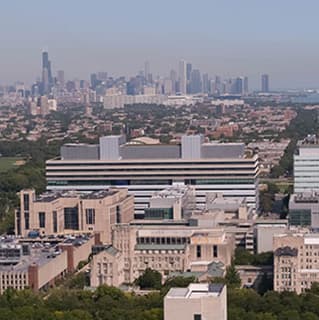
Patients Traveling to Receive Care
Destination UChicago is a new program providing concierge services for patients traveling from beyond our service areas.
Learn more about the program
Nationally Ranked in Gastroenterology and GI Surgery
According to U.S. News & World Report's 2026-2027 Rankings.
Learn more about U.S. News Best HospitalsFind IBD Services at a Chicagoland Location Near You
Request an Appointment
We are currently experiencing a high volume of inquiries, leading to delayed response times. For faster assistance, please call 1-888-824-0200 to schedule your appointment.
If you have symptoms of an urgent nature, please call your doctor or go to the emergency room immediately.
You can also schedule an appointment instantly for in-person and video visits through our online scheduling portal.
* Indicates required field